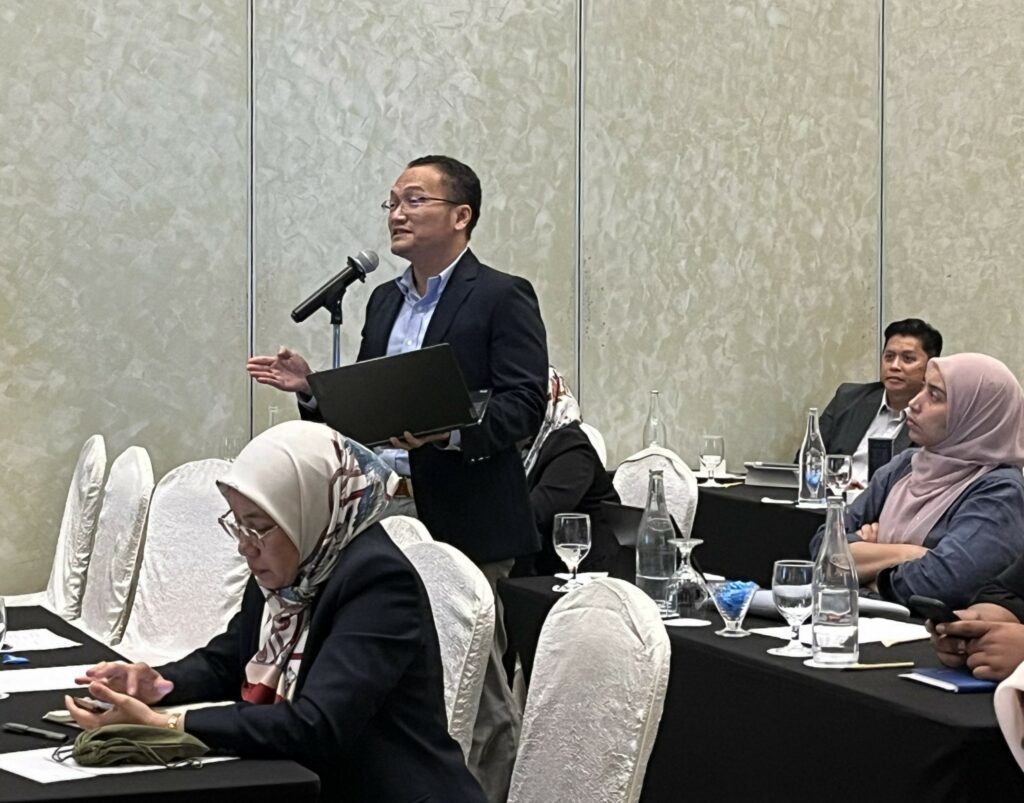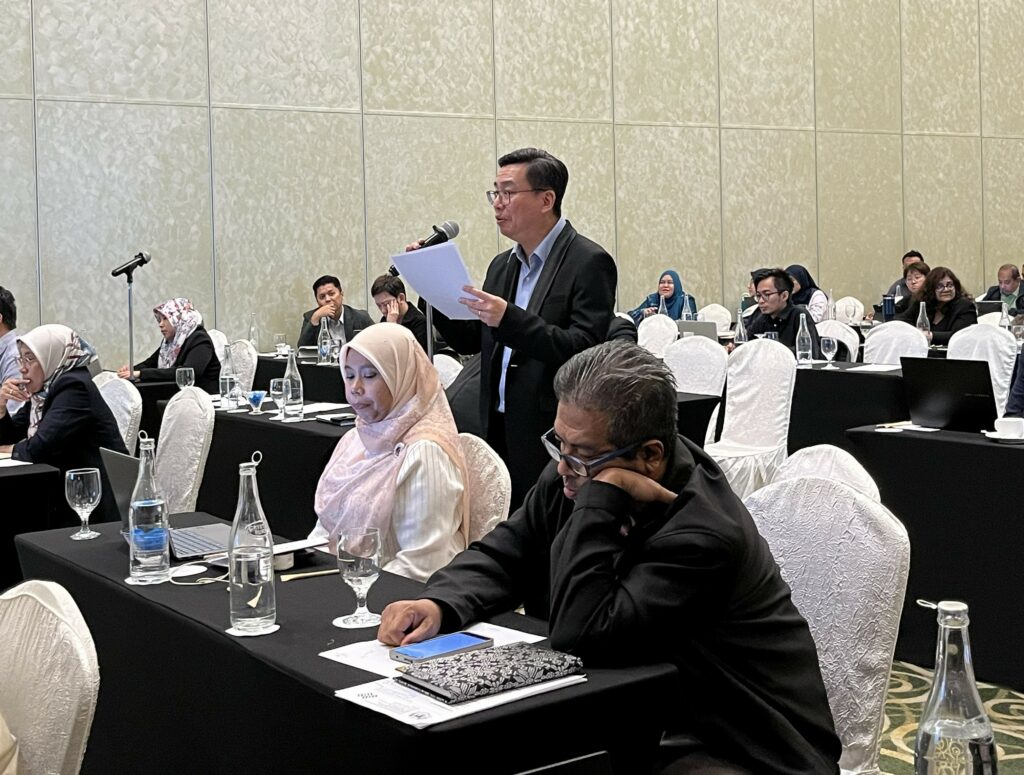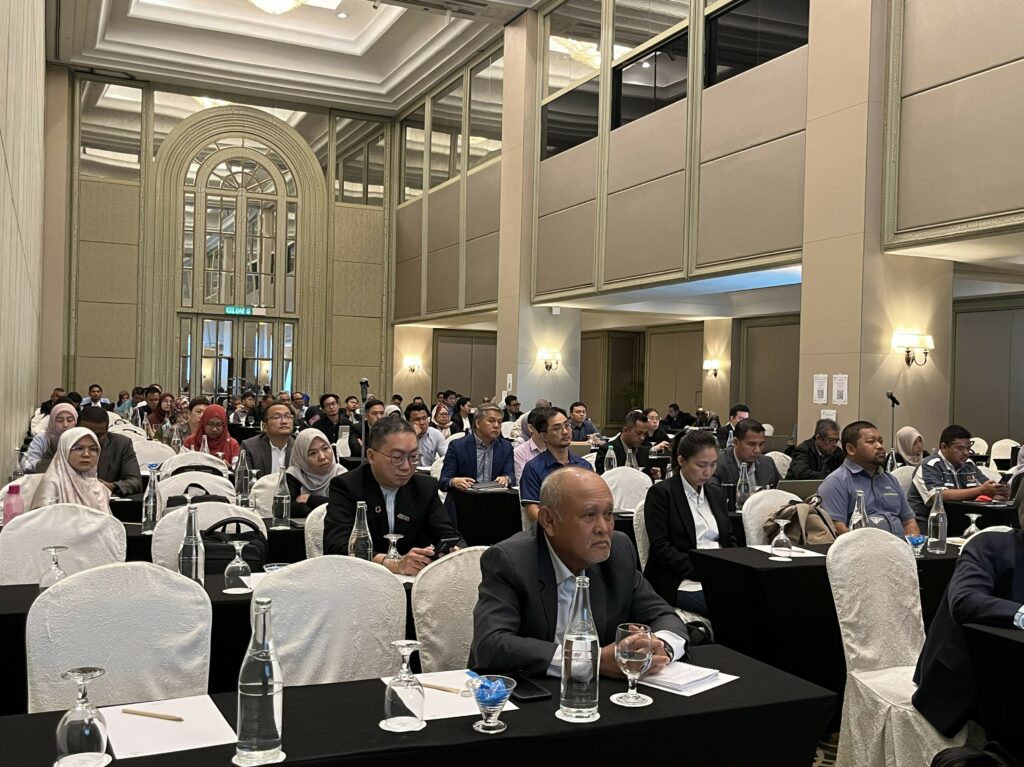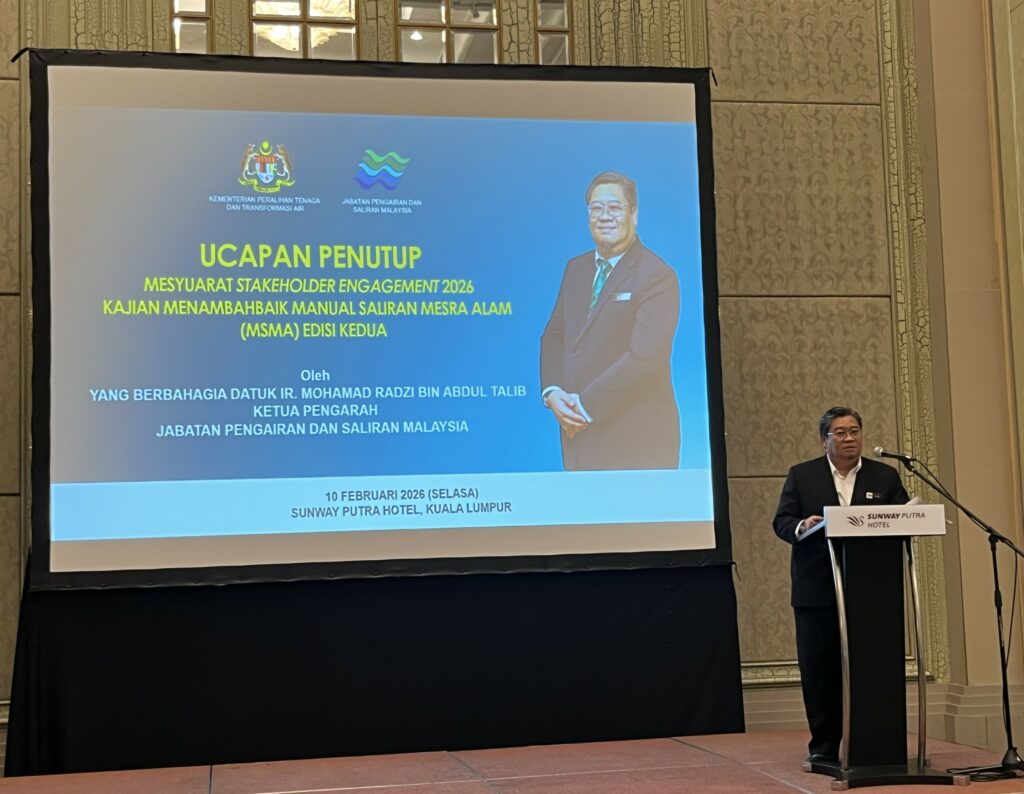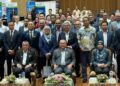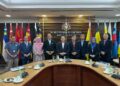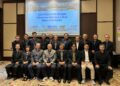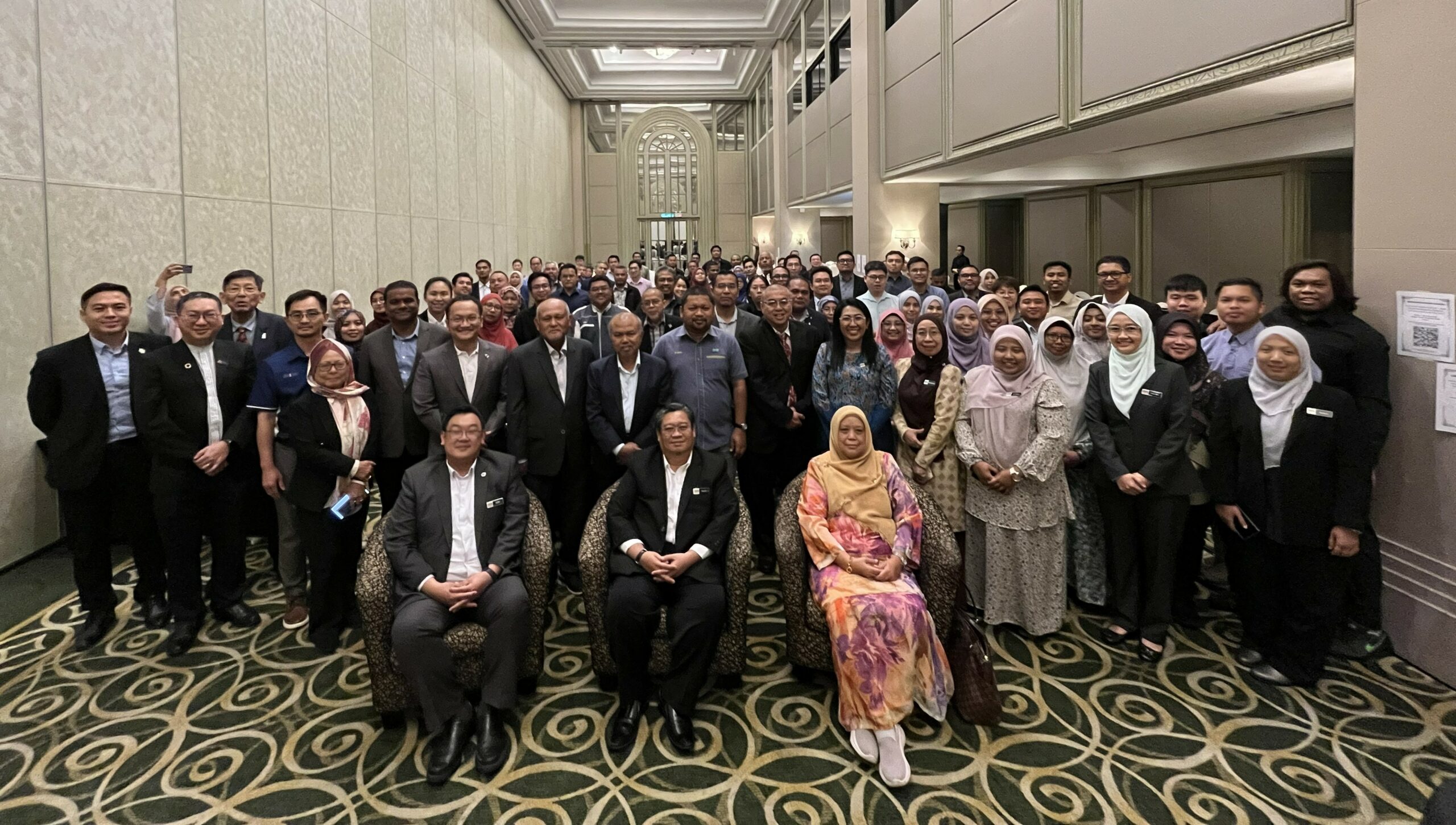
From 8 to 10 February 2026, the Department of Irrigation and Drainage (JPS) Malaysia, under the Ministry of Energy Transition and Water Transformation, convened a critical Stakeholder Engagement Workshop at the Sunway Putra Hotel, Kuala Lumpur. As the 2nd Edition of the Manual Saliran Mesra Alam (MSMA) has been the industry standard since 2012, this workshop served as the definitive platform to preview the draft of the MSMA 3rd Edition.
High-Level Leadership and Collaborative Governance
The workshop was inaugurated and presided over by Ir. Hajah Anita Binti Ainan, Director of the Stormwater Management Division at JPS Malaysia. The event was further distinguished by the presence of Datuk Ir. Mohamad Radzi Bin Abdul Talib, the Director-General of JPS Malaysia, who attended for the closing and summary sessions, emphasizing the high priority the government places on these updated standards.
The development of the 3rd Edition is being spearheaded by a dedicated JPS Task Force including Ir. Asnol Adzhan bin Abd Manap (Director of Corporate Division), Ir. Dr. Hj. Muhammad Khairudin bin Khalil (Director of Facility and GIS), and Ir. Atikah binti Shafie (Senior Assistant Director of River Basin Management). The technical depth of the manual was showcased by a consultant team led by Project Manager, Ir. Dr. Lim Foo Hoat and Senior Hydrology Engineer Prof. Ir. Lee Wei Koon.
The workshop was attended by over 80 representatives from various government and professional institutions, including the Board of Engineers Malaysia (BEM), the Institution of Engineers, Malaysia (IEM), the Real Estate and Housing Developers’ Association (REHDA), Pertubuhan Akitek Malaysia (PAM), Construction Industry Development Board (CIDB), State JPS representatives, and various specialists. Strategic government agencies such as PLANMalaysia and the Department of Environment (DOE) also participated, ensuring the new manual aligns with broader urban planning and environmental protection goals.
A Framework for a New Era: Technical Evolution
The MSMA 3rd Edition represents a comprehensive evolution from its predecessors, moving beyond simple prescriptive guidelines toward a risk-based, climate-resilient framework. The manual has been restructured into 11 streamlined chapters, spanning topics from Rainfall Runoff Estimation (Chapter 3) to Specific Land Developments (Chapter 11), and integrates international best practices like Nature-Based Stormwater Solutions (NbSS).
Significant New Requirements and Challenges
The workshop highlighted several “future-proof” mandates that will reshape engineering submissions:
- Tiered Levels of Analysis
MSMA 3 introduces a structured analytical framework to match the technical rigor of a submission with its project scale. Level 1 analysis is designed for standard, smaller-scale projects where simplified spreadsheet-based calculations are sufficient for compliance. Level 2 increases the complexity, typically requiring analysis more detailed hydrological and hydraulic assessments for medium-scale developments. Level 3 analysis represents the most rigorous tier, mandating sophisticated 1D/2D coupled hydraulic modelling for large-scale or high-risk projects where complex flood interactions must be precisely understood.
- Sequential Storm Analysis
MSMA 3 introduces sequential storm analysis to better represent real-world rainfall behaviour and resulting system response, departing from traditional single-event design storms. This approach recognises that runoff from closely spaced storms can compound. For example, an initial storm saturates the catchment, causing the peak discharge during a subsequent storm to exceed a single-event ARI peak. Engineers are required to apply hydrograph superposition or continuous modelling to access these compound flood risks.
- Total Maximum Conveyance Capacity (TMCC)
This new planning principle requires major drainage systems to be designed based on the fully developed condition of the entire upstream catchment, ensuring infrastructure long-term system performance amid future urbanisation.
- Climate Change Integration
MSMA 3 mandates updated National Water Research Institute of Malaysia (NAHRIM) projections, including a +15–30% rainfall intensity factor and sea level rise (SLR) projections of +0.8–0.9 meters by the year 2100.
- Expanded Sectoral Scope
For the first time, the Manual provides specific guidelines for previously undeserved sectors including Solar Farm Development, Linear Infrastructure, Mining, and Quarry operations.
ACEM’s Voice at the Table: Advocacy and Concerns
ACEM was represented by Council Member, Ir. Amin Ramli, who actively participated in the technical sessions to ensure the interests of the consulting fraternity were aligned.
ACEM presented its views on the new requirements and voiced significant concerns over the level of readiness for consultants to develop quality 1D/2D models for river basins. Furthermore, ACEM expressed a critical concern regarding professional liability. As we move toward modelling based on complex assumptions for TMCC and future upstream development scenarios, the accuracy of these models becomes a legal and professional risk. ACEM argued for clearer liability frameworks and the standardization of modelling data to prevent engineers from being held unfairly responsible for regional-scale uncertainties beyond their control.
The Path Forward
The MSMA 3rd Edition is currently undergoing final refinements. Once approved, it will likely be adopted and become the main reference for all land development approvals. For ACEM members, the message is clear: the era of basic manual calculations is fading, making way for a future defined by high-fidelity digital modelling and sustainable ecological engineering.
ACEM will continue to engage with JPS to advocate for standardized modelling data and clear liability frameworks before the manual’s official gazettement.