ACEM’s contribution to KKR’s Industry and Budget 2027 Dialogue focused on the commercial and regulatory conditions required for consulting firms to deliver safe, innovative and accountable professional services.
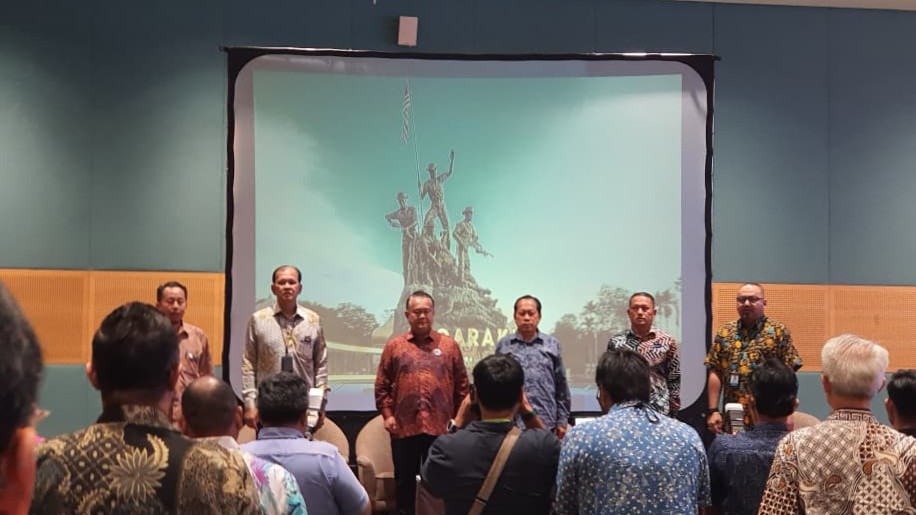
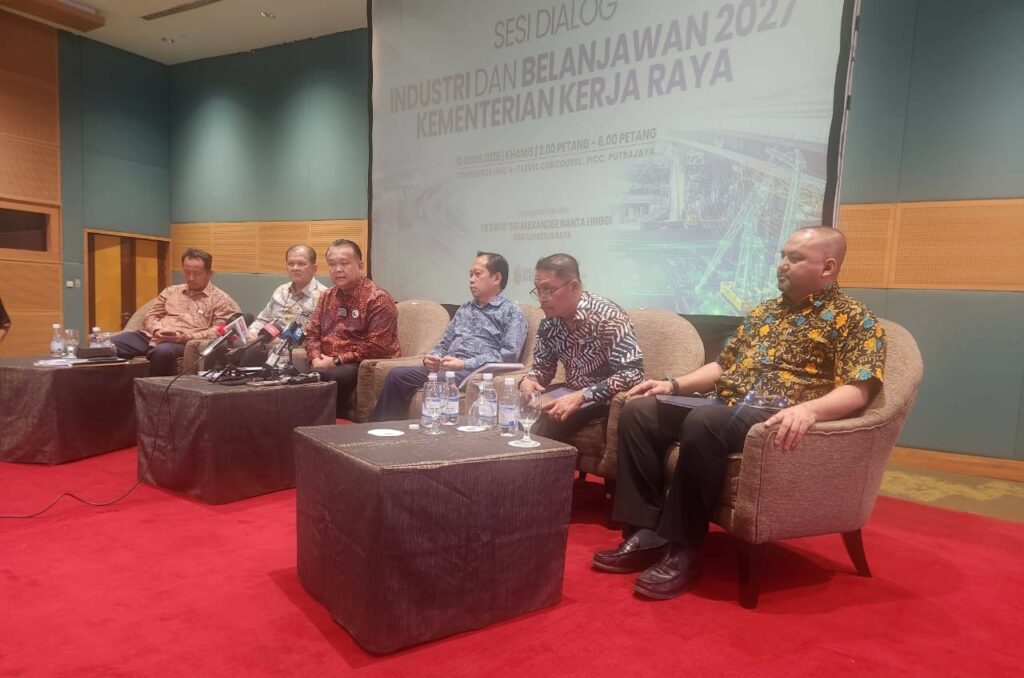
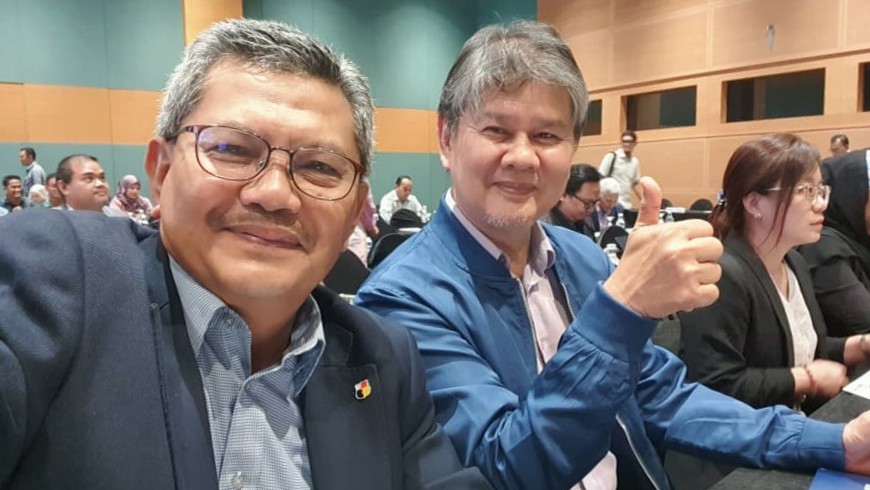
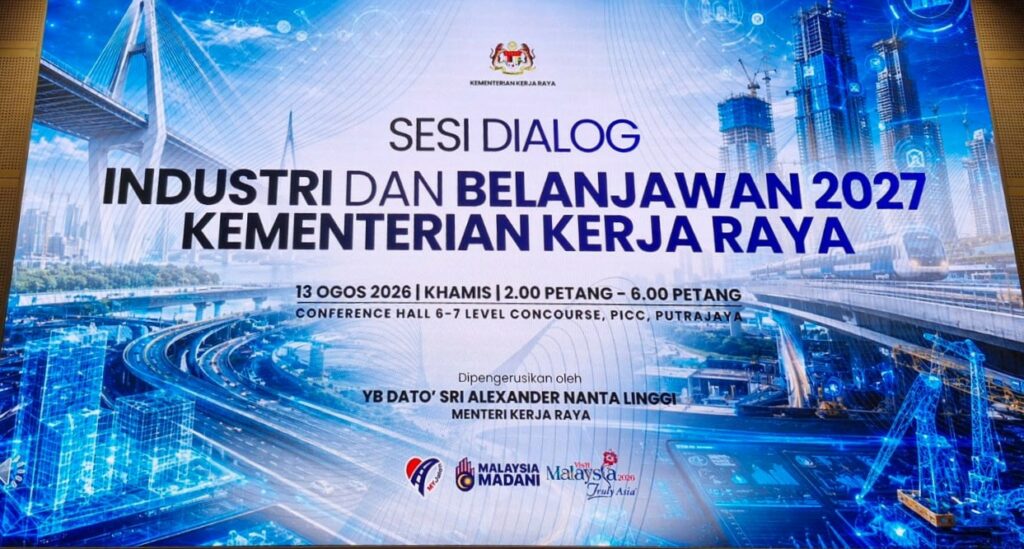
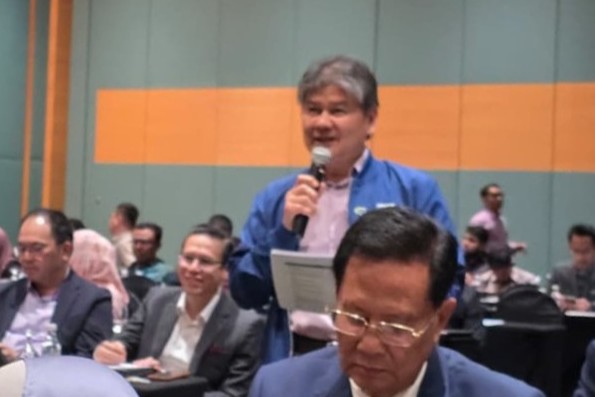
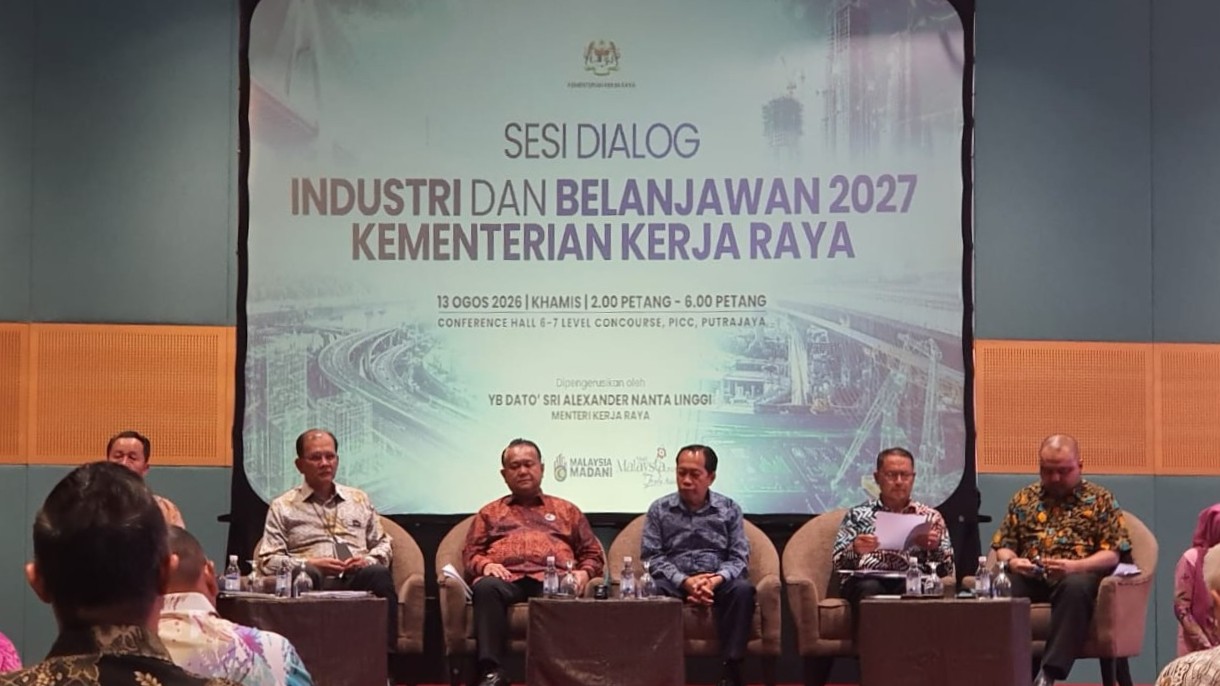
ACEM participated in the Ministry of Works’ Sesi Dialog Industri dan Belanjawan 2027 in Putrajaya on 13 August 2026. The session, chaired by Minister of Works YB Dato’ Sri Alexander Nanta Linggi, brought professional bodies and construction-industry stakeholders into direct discussion with the Ministry’s leadership and implementing agencies. ACEM was represented by President Ir. Anuar Mohd Aris and Council Member and Chair of Professional Assessment Ir. Arul Hisham Abdul Rahim.
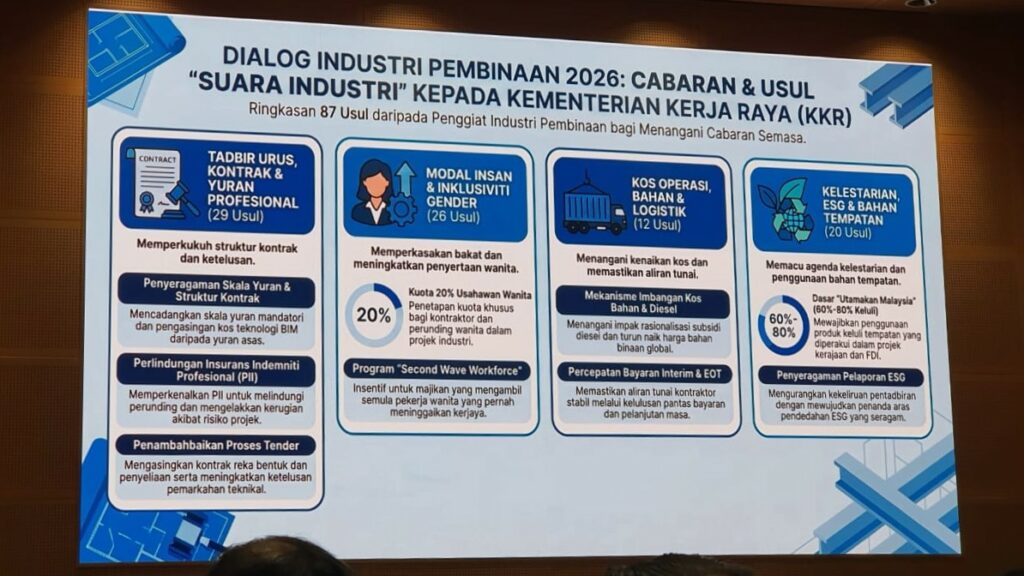
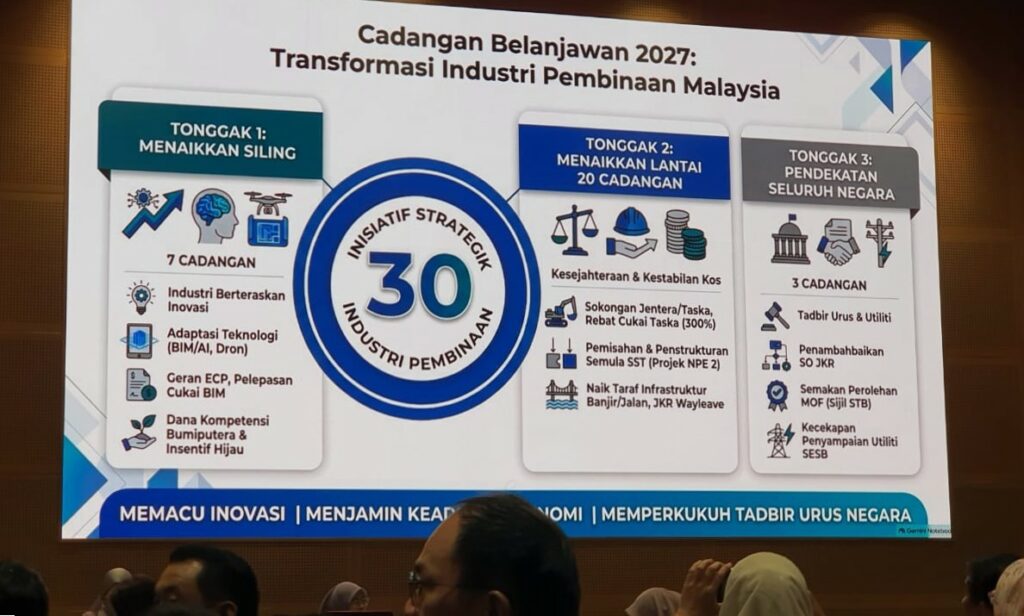
ACEM’s contribution addressed a central question for public and private development alike: what practice conditions enable engineering consultancy practices to allocate sufficient skilled resources, exercise independent professional judgment and remain accountable over the life of a project? The discussion covered consultancy fees and contract terms, the treatment of digital-delivery costs, professional indemnity insurance, procurement transparency and incentives for technology adoption.
Fees, scope and project quality
Professional fees should be considered together with the scope, complexity, programme and risk allocated to the consultant. When scope is unclear or fees are compressed without a corresponding reduction in deliverables, firms may have less capacity for design development, checking, coordination and site support. A clear and consistently applied scale-of-fees framework can provide a transparent starting point, while milestone-based payment provisions can align cash flow with the delivery of defined professional outputs.
Digital delivery must be properly scoped
Building Information Modelling and other digital methods can improve coordination and asset information, but they also create identifiable work: model production, common-data-environment administration, clash coordination, software and hardware provision, data governance and model handover. These requirements should be stated in the brief and priced as defined services rather than assumed to be absorbed within an unchanged basic fee.
Allocating insurable and proportionate risk
The availability and cost of professional indemnity insurance are influenced by contract wording, liability periods, exclusions and aggregate exposure. ACEM therefore highlighted the value of clearer responsibility matrices, proportionate liability allocation and contract terms that remain insurable. This is not an argument against accountability; it is a means of ensuring that responsibility sits with the party able to manage the relevant risk.
Transparent procurement, clearer scopes and targeted support for digital adoption can together improve competition on professional capability and whole-life value. ACEM appreciates KKR’s willingness to hear these industry perspectives. The proposals remain matters for further engagement, and ACEM will continue to contribute evidence and practical input as the relevant policies are developed.