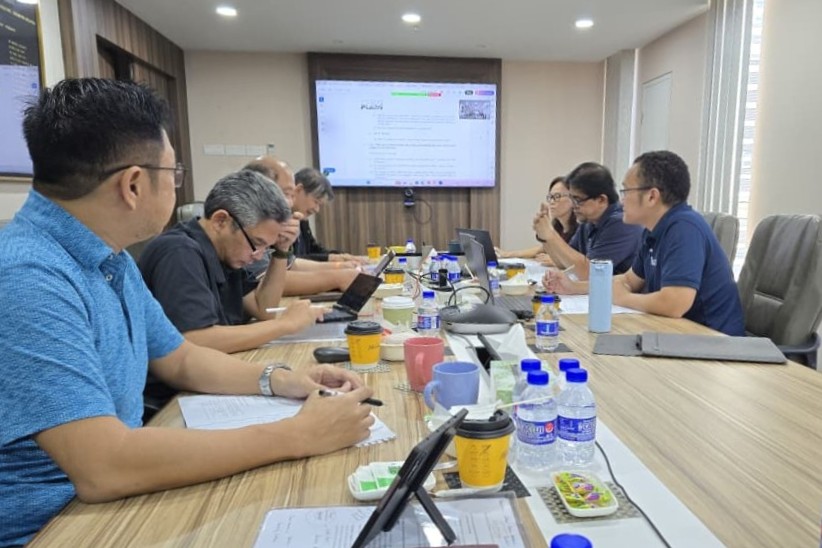
Four matters considered at Council Meeting No. 3/2027 illustrate how regulation, payment, professional development and regional cooperation converge in the day-to-day operation of engineering consultancy practices.
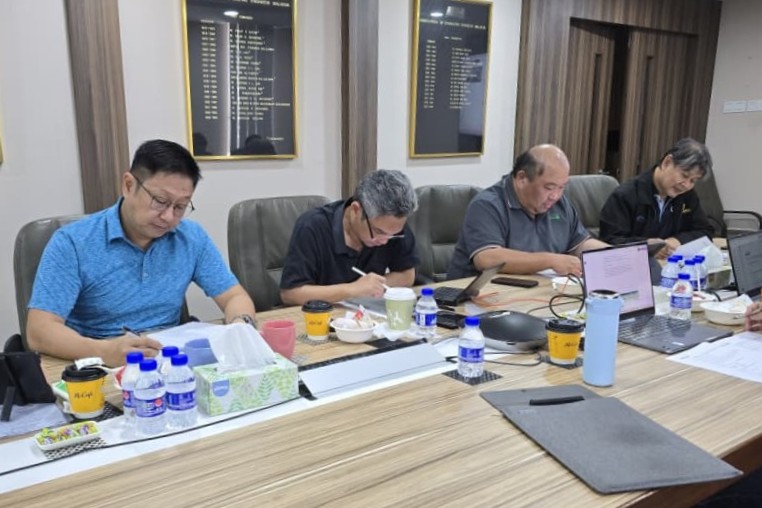
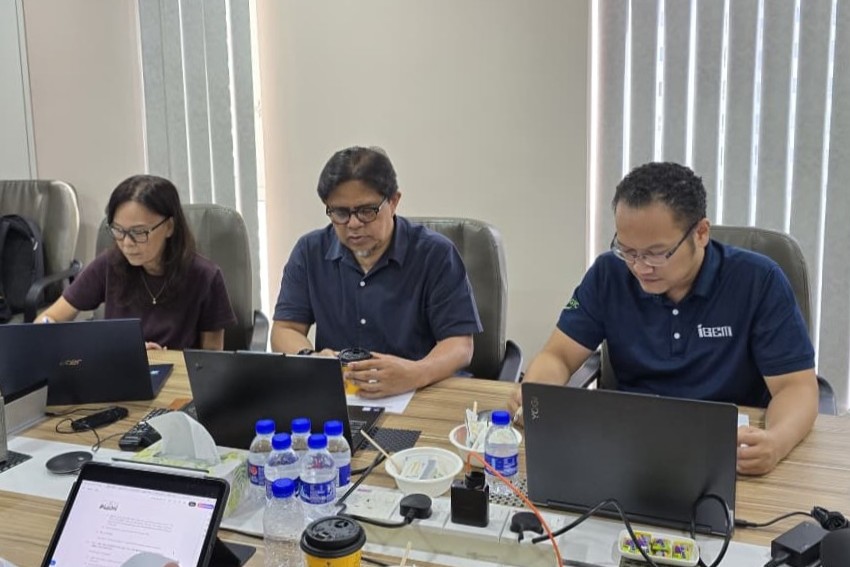
ACEM Council Meeting No. 3/2027 considered a range of issues with direct implications for engineering consultancy practices (ECPs). Although the subjects appear distinct, they share a common objective: improving the conditions under which firms can deliver competent, accountable and financially sustainable professional services.
A clearer relationship between scope, fees and payment
Council reviewed ongoing engagement with the Board of Engineers Malaysia and the Attorney General’s Chambers on simplifying the Scale of Fees. It also considered the use of milestone-based payments so that invoicing is tied to clearly defined outputs and stages of service. Predictable payment mechanisms are particularly important for consultancy businesses, whose largest recurring cost is professional staff time. Council also reviewed the proposed Government Procurement Act to identify provisions that may affect consultant selection, contracting, payment and accountability.
Preparing for changes to professional regulation
Proposed amendments to the Registration of Engineers Act 1967 remain under review. ACEM’s focus is on how any new registration categories or practice requirements would interact with ECP operations, professional responsibility, supervision and the public’s understanding of who may provide engineering services. Regulatory change should be accompanied by clear transitional arrangements and implementation guidance so that firms can adjust systems, appointments and contractual responsibilities in an orderly manner.
Making mandatory development more accessible
Council considered ACEM’s request for BEM-supported engagement with HRD Corp so that BEM-approved continuing professional development activities can be recognised more readily for levy claims. Professional firms must meet statutory or Board-prescribed competency requirements; reducing duplication between professional approval and training-claim administration would allow a greater share of levy funds to support technically relevant learning.
Regional dialogue on shared practice issues
Preparations are also under way for the 22nd ACES–ACEM Dialogue in Langkawi. The agenda includes consultancy pricing structures, responses to professional non-compliance and coastal-protection strategies. Exchanges with the Association of Consulting Engineers Singapore enable both associations to compare practice conditions and technical responses while recognising the differences between their regulatory environments.
These matters are at different stages: some are active proposals, some are subjects of monitoring, and others are planned engagements. Council’s role is to develop evidence-based positions, test their implications with members and pursue workable outcomes with the relevant authorities. Further updates should therefore distinguish clearly between ACEM’s recommendations and decisions formally adopted by regulators or government.