Regularising legacy buildings without a Certificate of Completion and Compliance requires a framework that protects life safety while recognising the practical limits of retrospective verification.
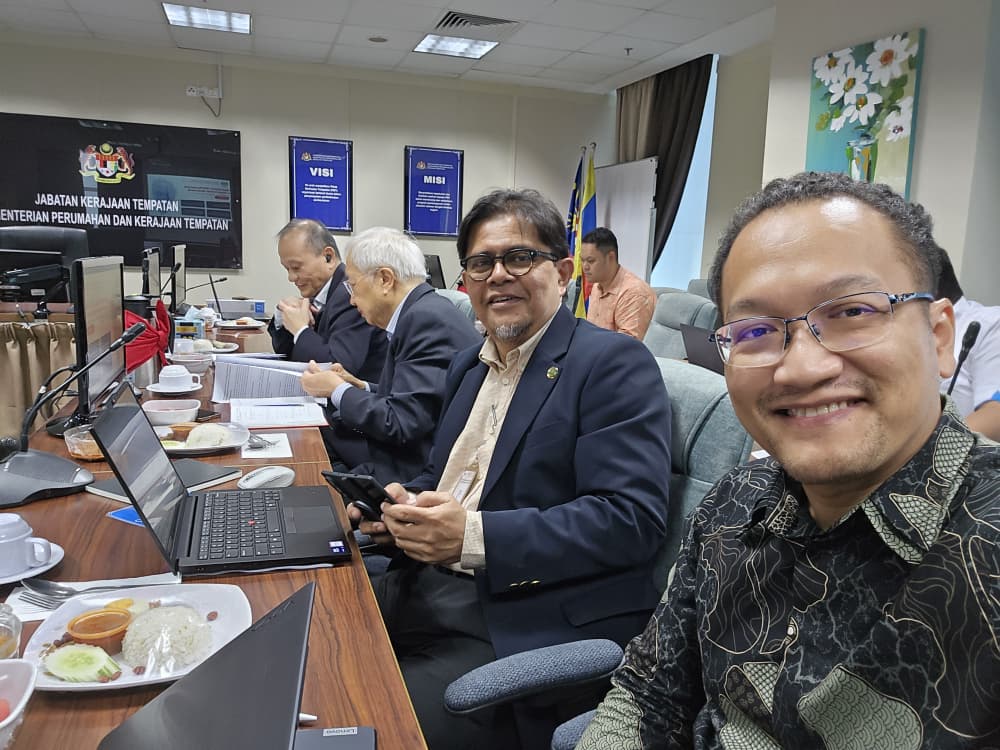
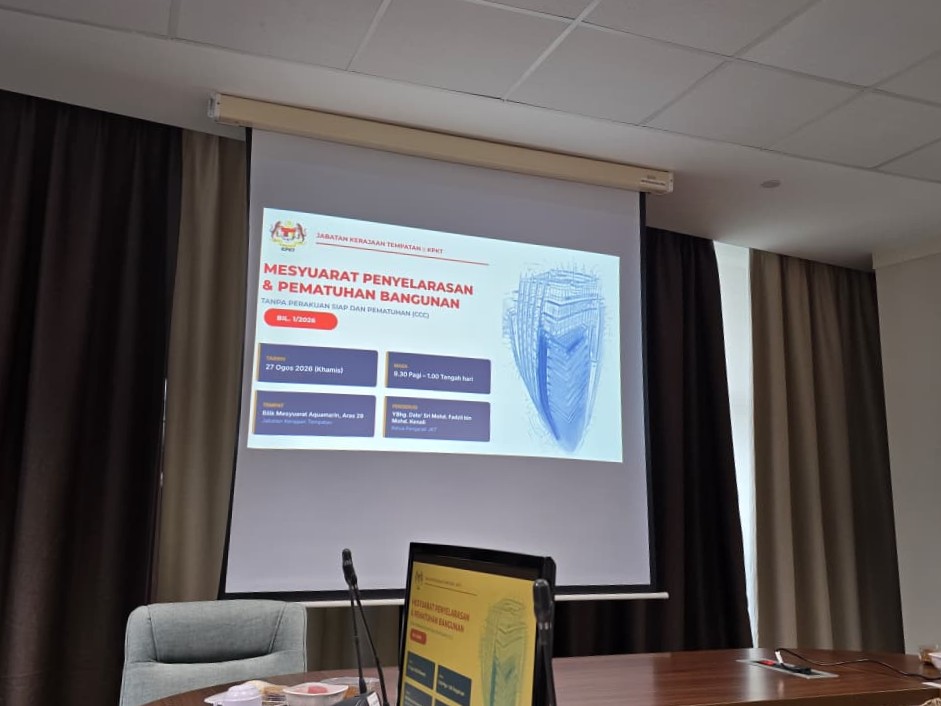
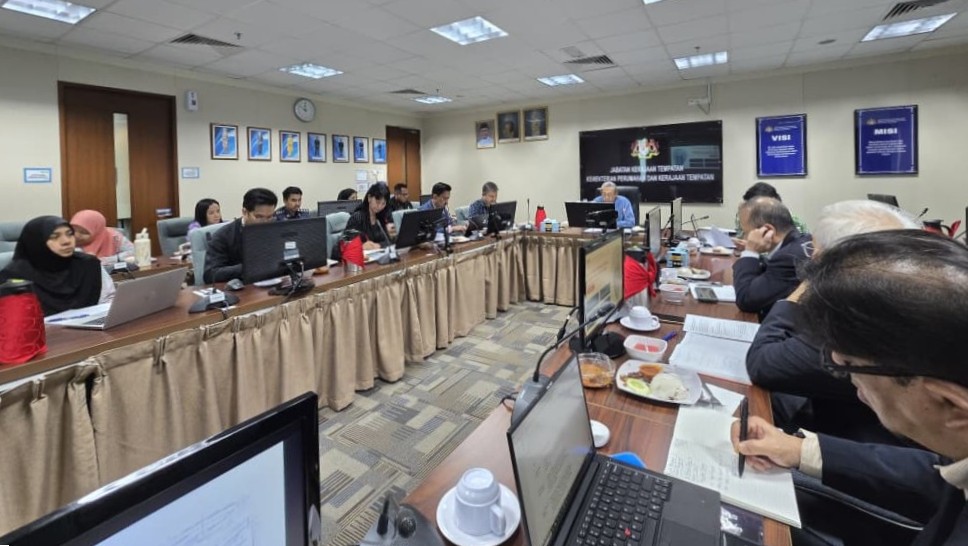
ACEM participated in a coordination meeting led by the Department of Local Government (JKT), Ministry of Housing and Local Government (KPKT), on the proposed regularisation of existing buildings that do not have a Certificate of Completion and Compliance (CCC). The meeting brought together professional and regulatory stakeholders, including LAM, PAM, BEM, SPAN and TNB. ACEM was represented by Deputy President Ir. Ahmad Rashidi Zainudin and Council Member Ir. Amin Ramli.
A regularisation pathway should not be understood as automatic approval of a legacy building. Its purpose is to establish a consistent method for identifying material risks, determining what evidence is reasonably available, prescribing necessary remedial work and recording the limits of the assessment. A risk-based approach can direct the greatest scrutiny to conditions that most affect public safety without imposing technically impossible requirements to recreate every historic approval or construction record.
Core principles for a workable framework
- Life safety first. Structural stability, fire and means-of-escape provisions, critical building services, sanitation and other safety-related matters should receive priority, with the required level of investigation matched to the consequence of failure.
- A defined evidence hierarchy. Assessments may need to draw on approved plans, as-built records, measured surveys, visual inspections, testing and intrusive investigation. The framework should state when each level of evidence is sufficient and when further investigation is required.
- Coordinated agency requirements. A common submission pathway and responsibility matrix are needed where local-authority, utility, fire-safety, water and sewerage requirements overlap. Conflicting or sequential requests can otherwise create delay without improving safety.
- Proportionate remediation. Where full compliance with current prescriptive provisions is impracticable, the framework should define how equivalent safety outcomes, compensating measures or staged rectification may be evaluated.
- Clear professional scope and liability. Appointments should identify the elements assessed, information relied upon, investigations performed, exclusions and parties responsible for subsequent work. An engineer should not be taken to certify concealed or inaccessible conditions that were outside the agreed scope and could not reasonably be verified.
The consulting engineer’s contribution
Consulting engineers can assist by establishing the building’s technical baseline, identifying material deficiencies, recommending investigation and remediation, and coordinating inputs across disciplines. However, the framework must distinguish between an assessment of observed and tested conditions and a representation that every aspect of historic construction complied at the time it was built.
ACEM supports continued multi-stakeholder development of a legally sound and technically practicable pathway. Clear assessment protocols, competent professional appointments and coordinated agency decisions will be essential if regularisation is to improve safety and certainty rather than merely add another administrative layer.